


Instagram: @Chrestian_Willhans
I was five years old and confused. Dad’s American auto magazine featured a group of guys standing on a frozen lake, checking out super cool cars. They were only wearing shorts and t-shirts. “Aren’t they freezing?” I asked my dad. He laughed and told me, “That’s not snow, that’s Bonneville, a dried up salt lake. That’s where you go if you want to drive really fast.” That was the day I decided: one day I’d go there, too.
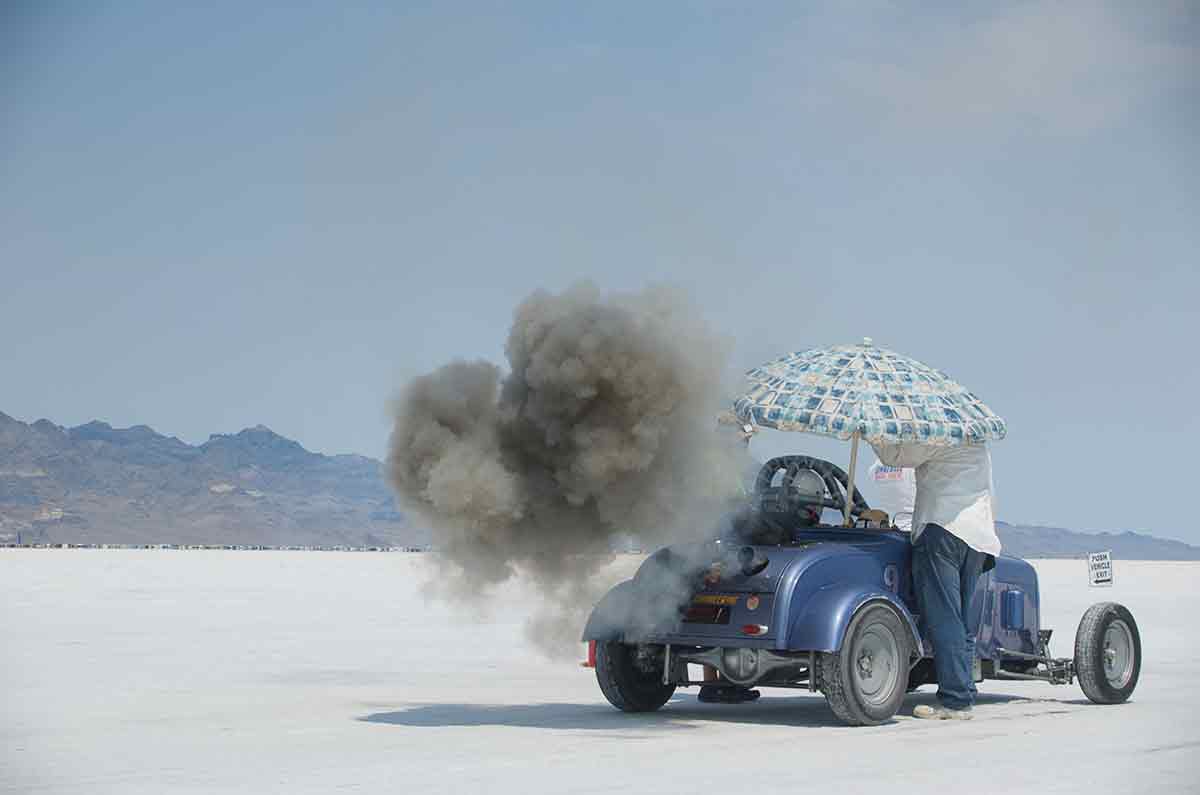
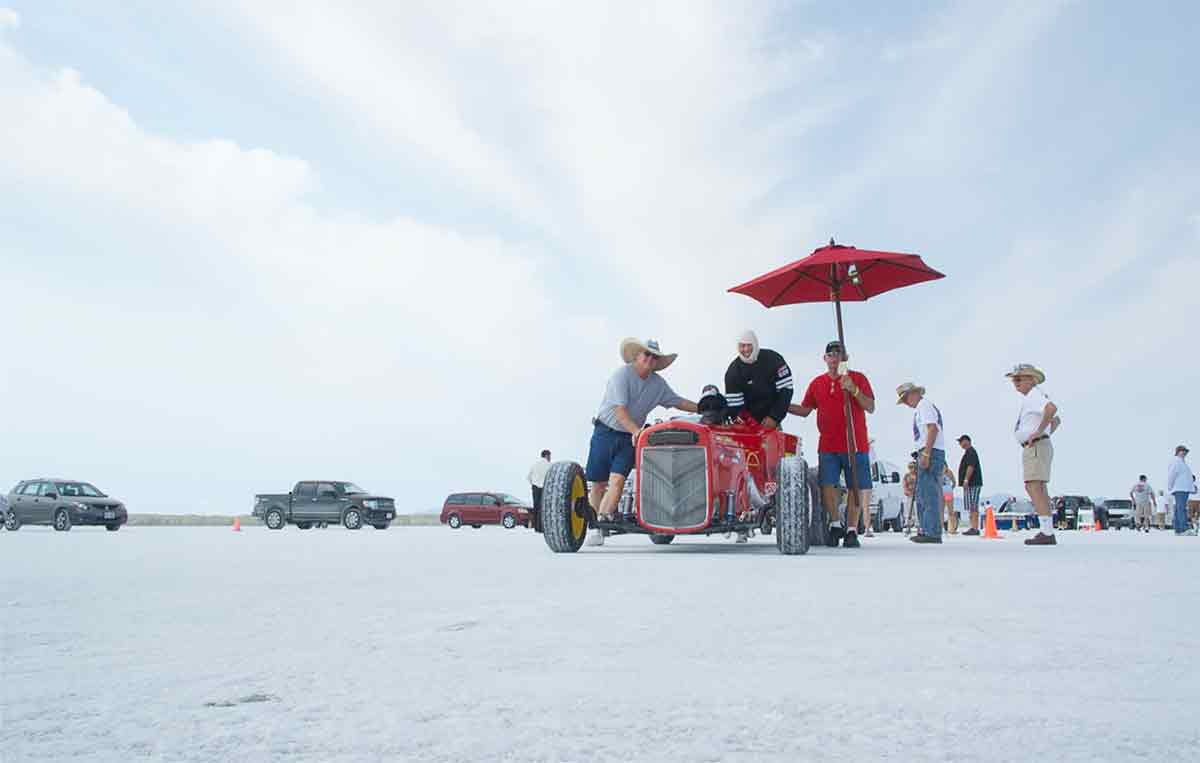
It took 37 years, but I eventually got there, and it was just as magical as five-year-old me had imagined. It’s an unforgiving place. Not even insects live in the salt desert. We showed up with nothing but photo equipment and a cooler full of beer. We parked our car next to another small group, who just shook their heads and said, “Without shade, you’ll be dead by lunch. Come sit in our tent.” We bribed them with beer

so we could stay. The next day, we brought a tent of our own. The salt is hard, rough, and completely flat, perfect for speed racing. It’s been the scene of broken records since the 1910s. The event
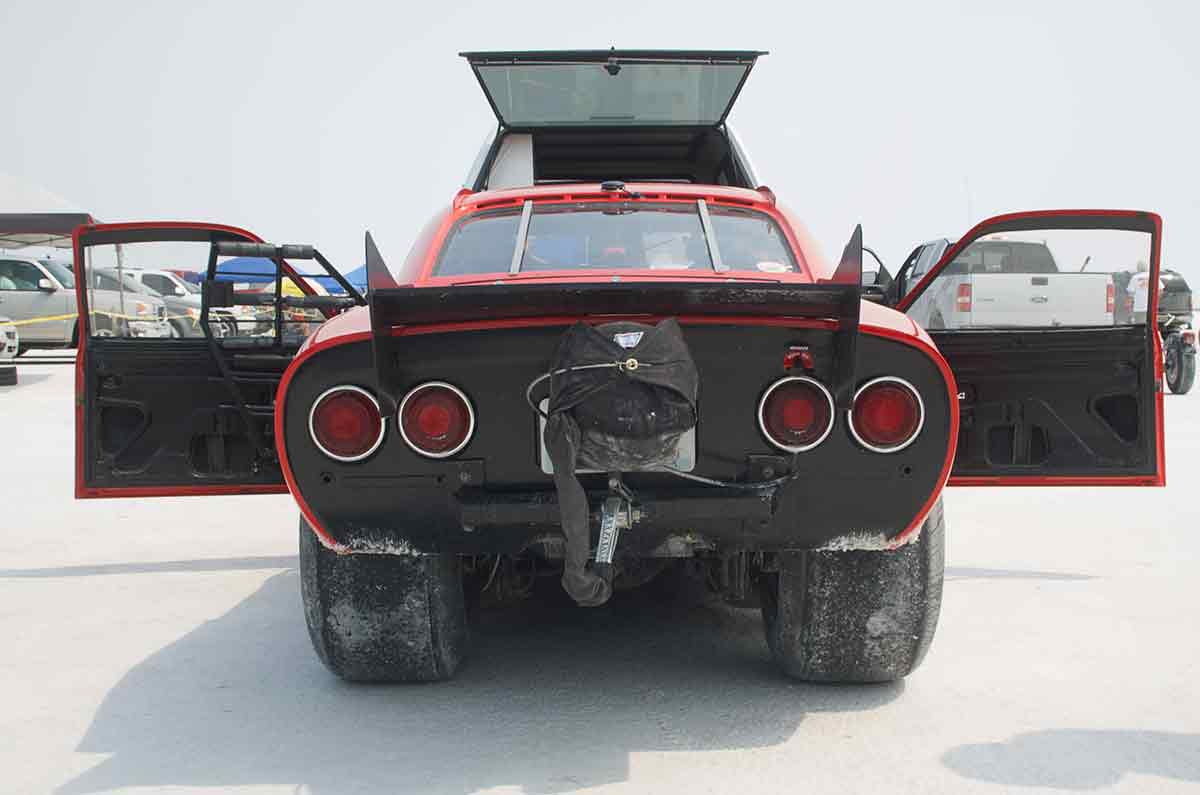
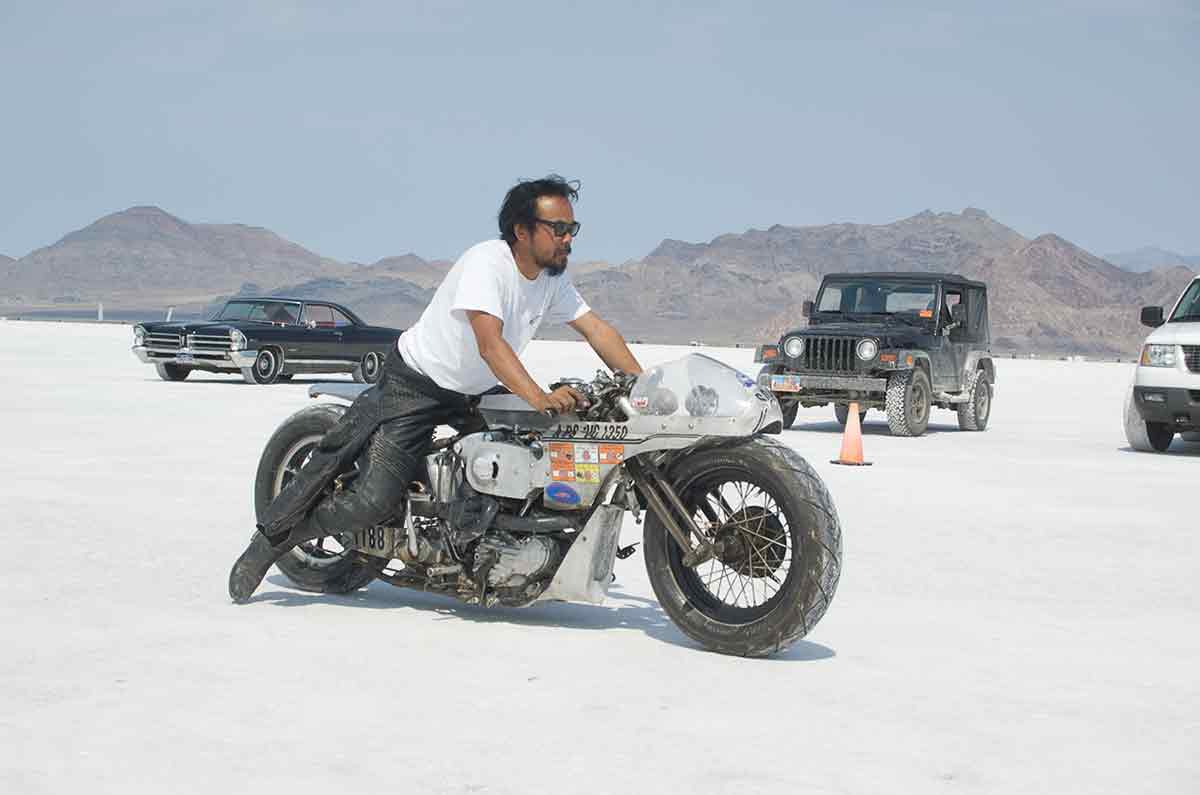
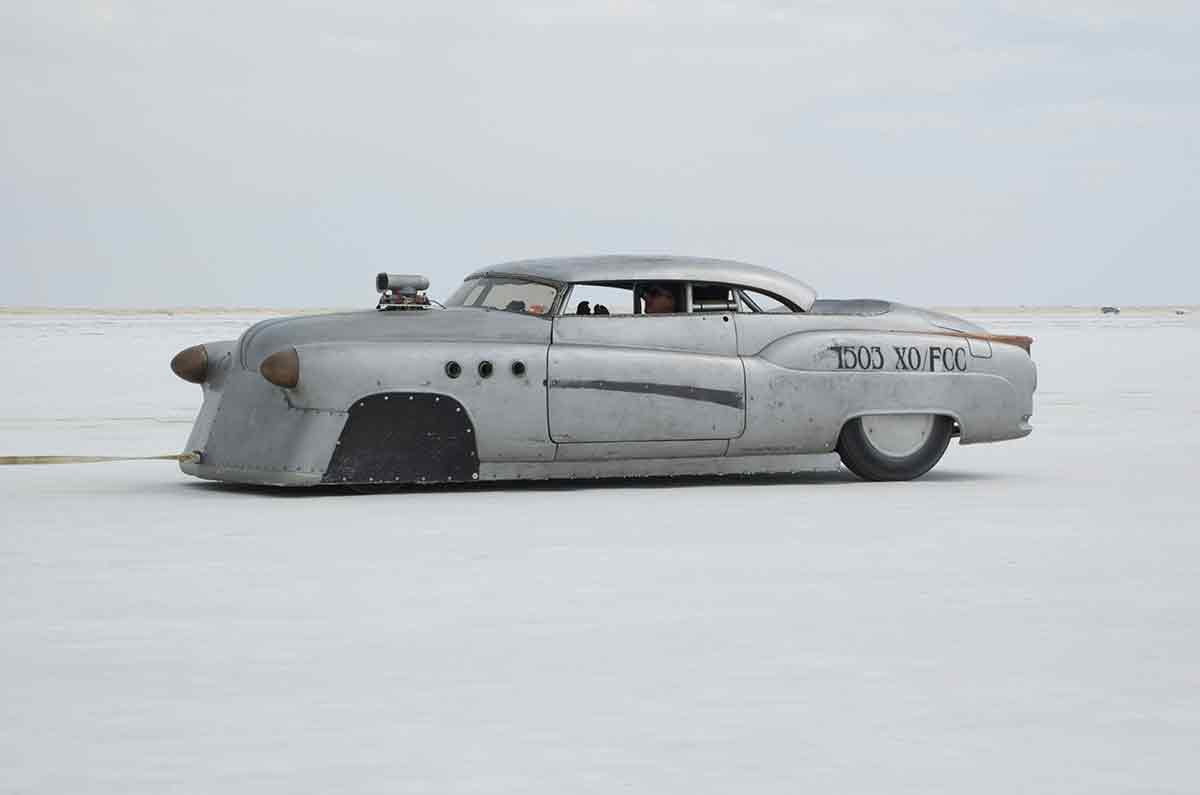
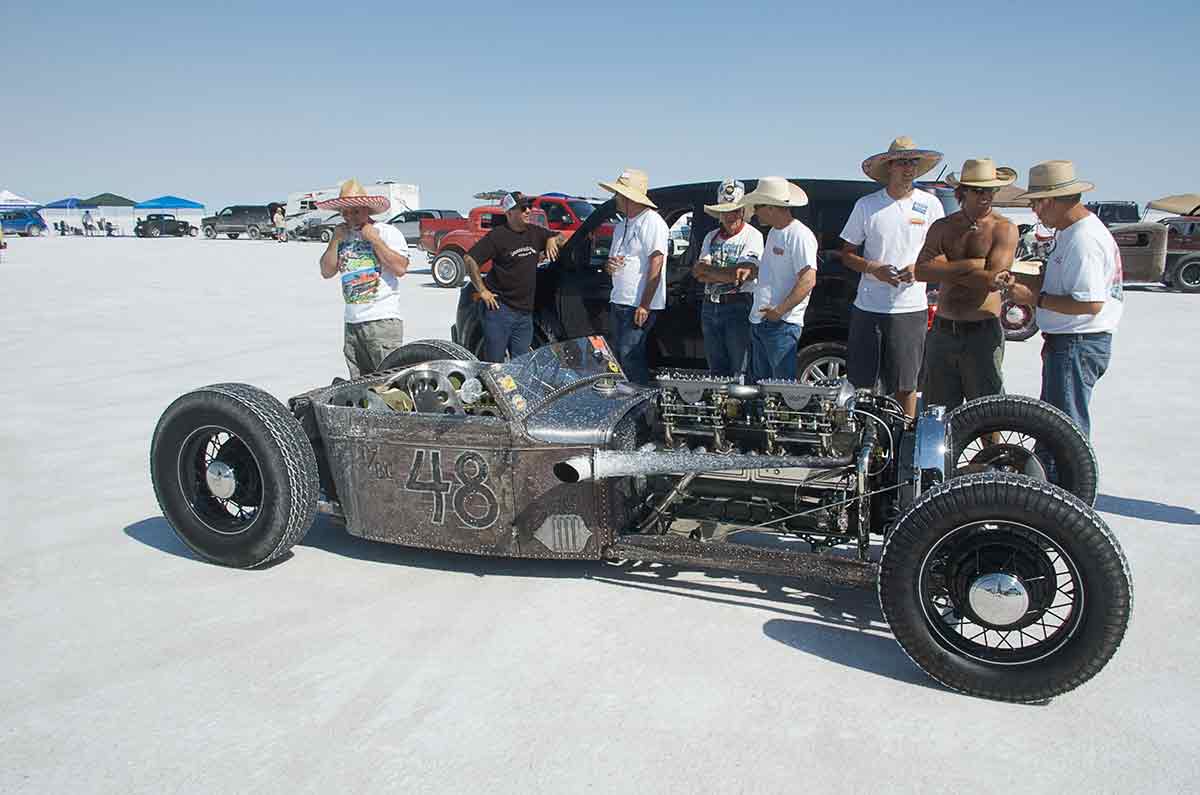
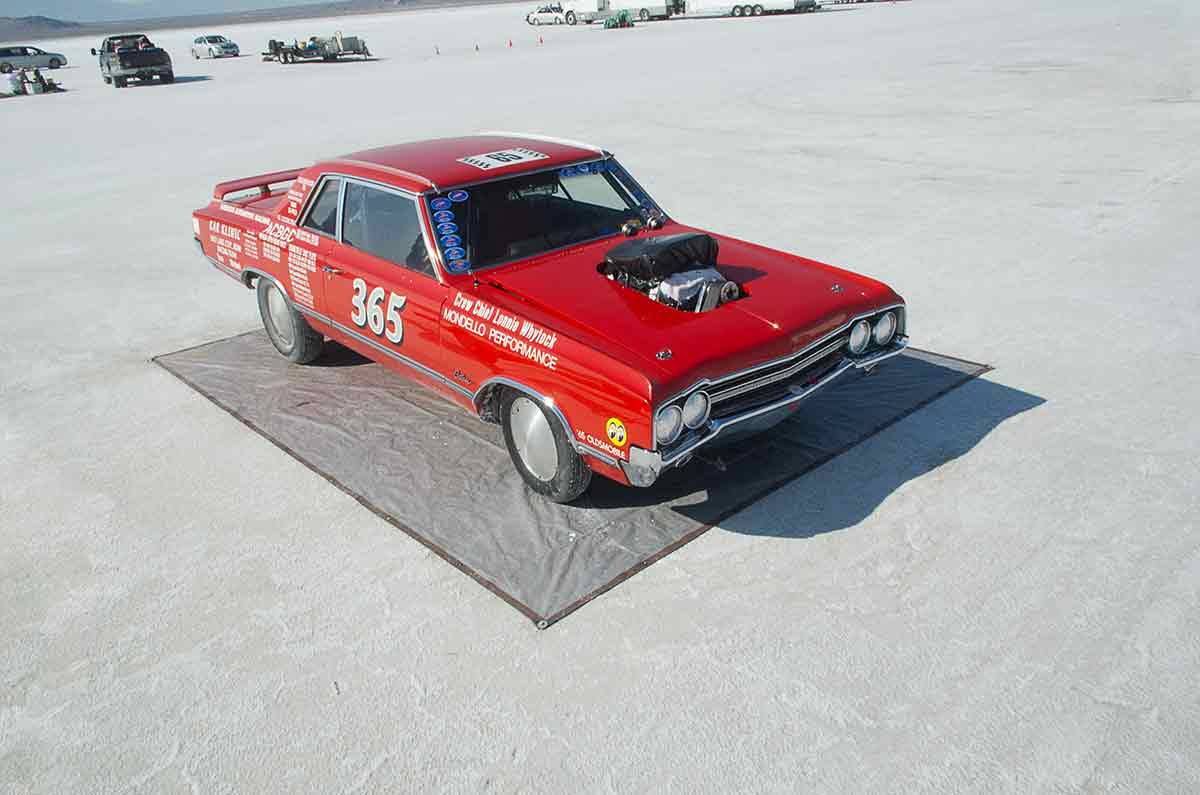
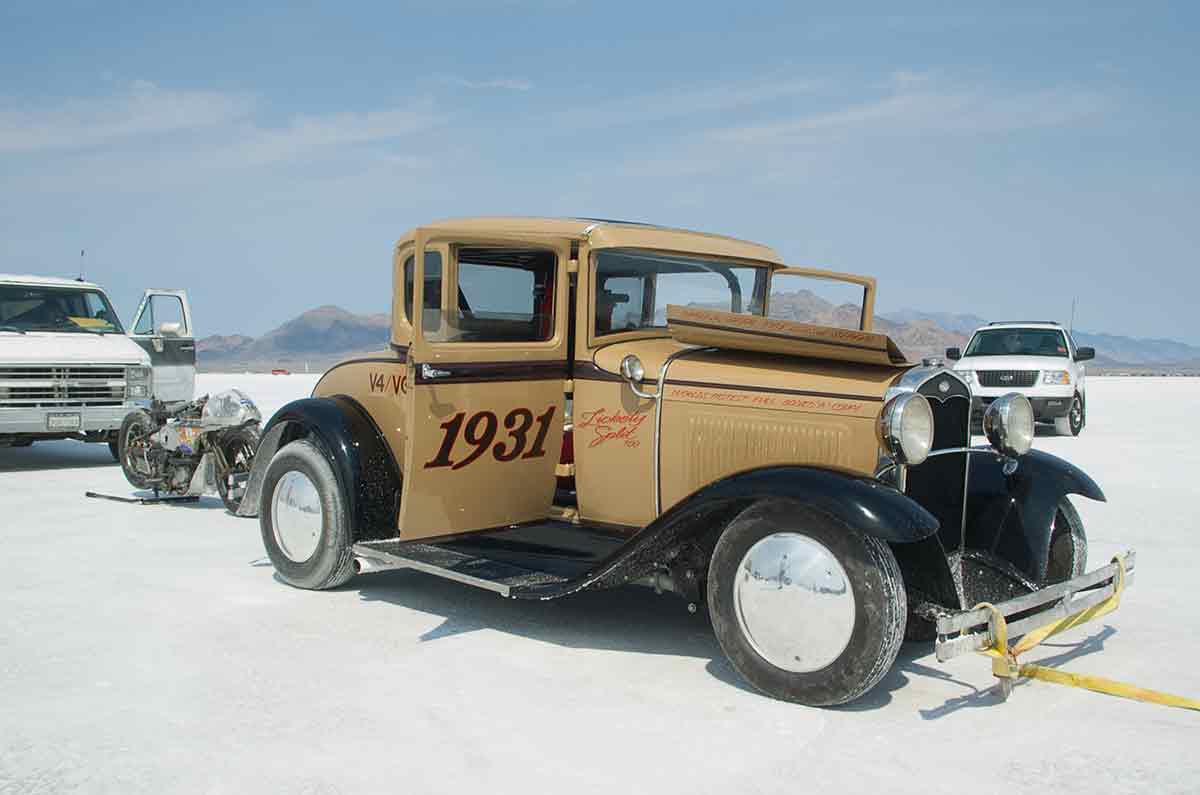
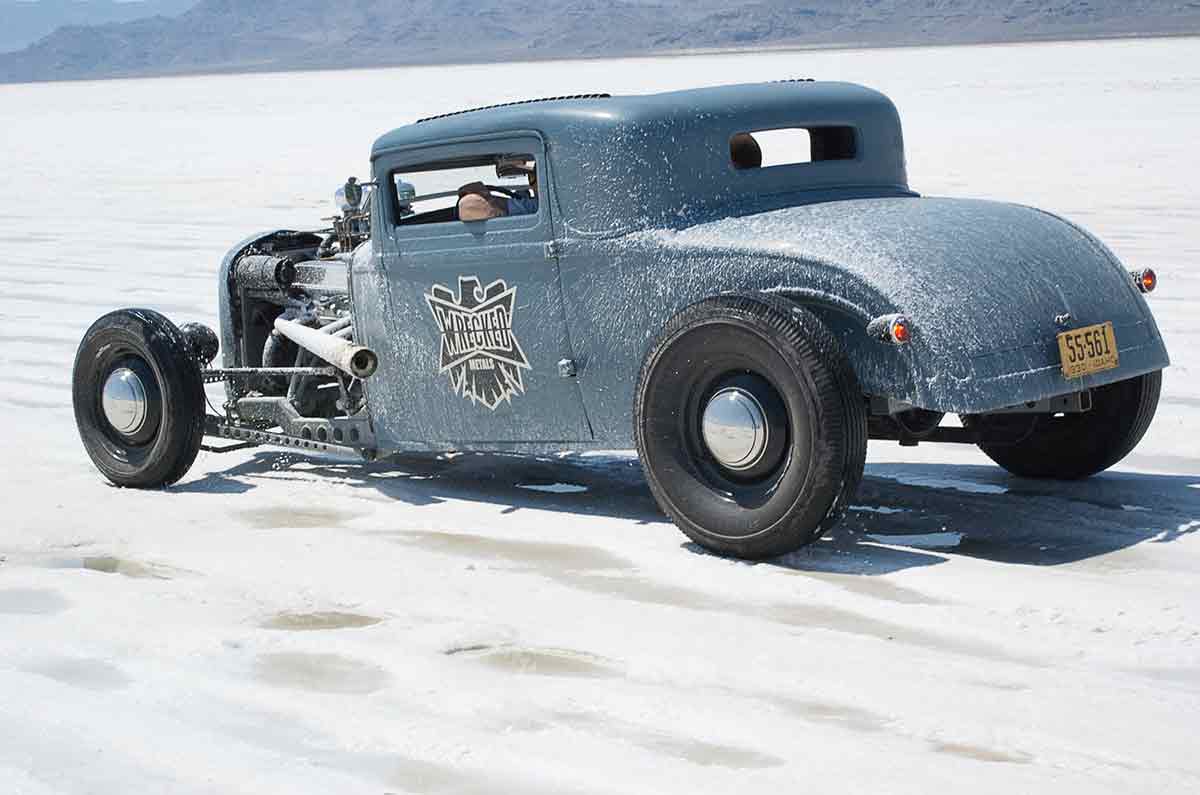
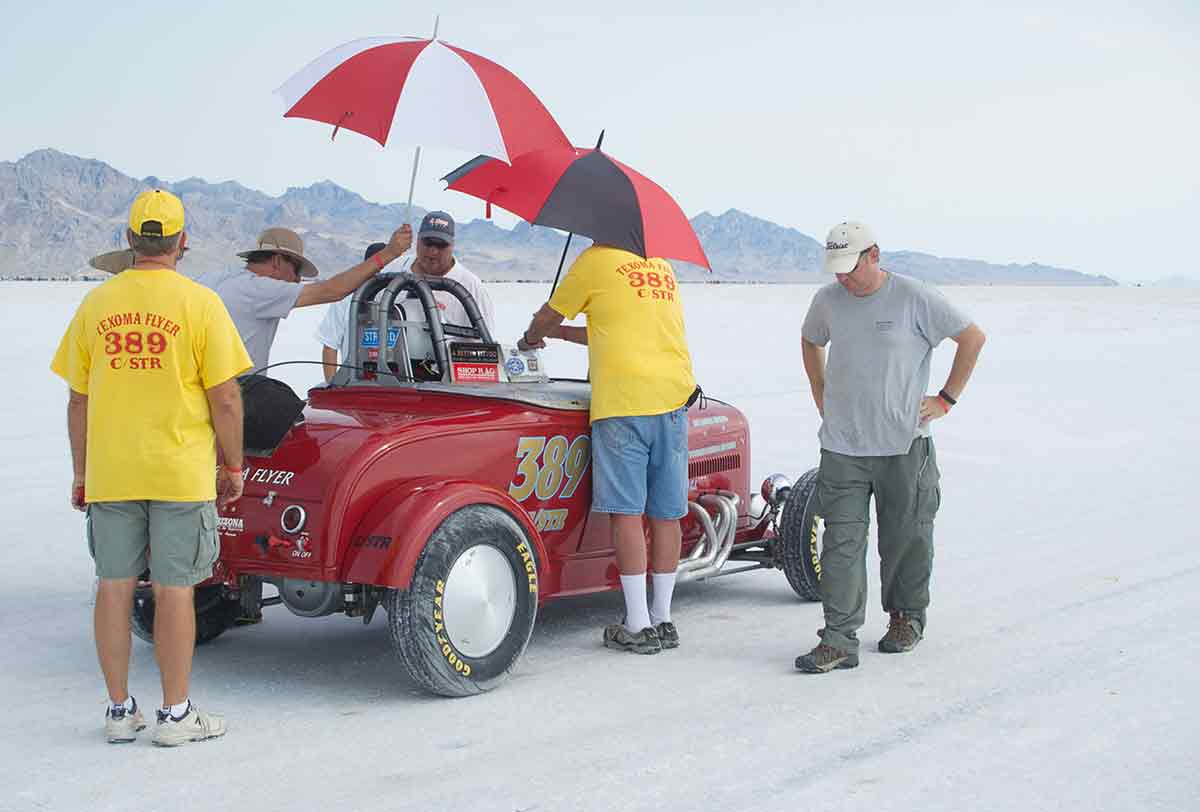
I always longed for was Bonneville Speed Week, a whole week of racing historic vehicles – old, but not slow. Several vehicles have been developed and refined since as far back as the 60s, many vehicles originate from the 30s or earlier. They often reach speeds well over 200 miles per hour (320 km/hr). The fastest anyone has ever driven on the Bonneville Salt Flats is Gary Gabelich in his “Blue Flame” rocket car; he drove it over 630 mph (1014 km/hr) in October, 1970. If you’ve seen the film, The World’s Fastest Indian, it took place on the Bonneville Salt Flats. Where Burt Munro sat a speed record on his ancient Indian motorcycle. An interesting anecdote is that his record from 1967 still stands, not because it’s hard to beat, but because no one wants to be the person to take it away from him.
Now, Bonneville is endangered. Industries extract potash out of the salt, and motor enthusiast have been fighting for this unique land since the 80s, since the flat ground and the vast space areparticularly well suited for speed racing and records. Today, there’s legislation in place for companies to return the salt after it’s been processed, but the salt crust is still getting thinner every year.




-

Subscription
$70.85 -
 Out of stock

